


The ECOWAS Parliament has called on governments across West Africa to strengthen regional cooperation, improve law enforcement and provide adequate funding to tackle child trafficking and child labour, warning that existing laws and commitments have not sufficiently protected vulnerable children.
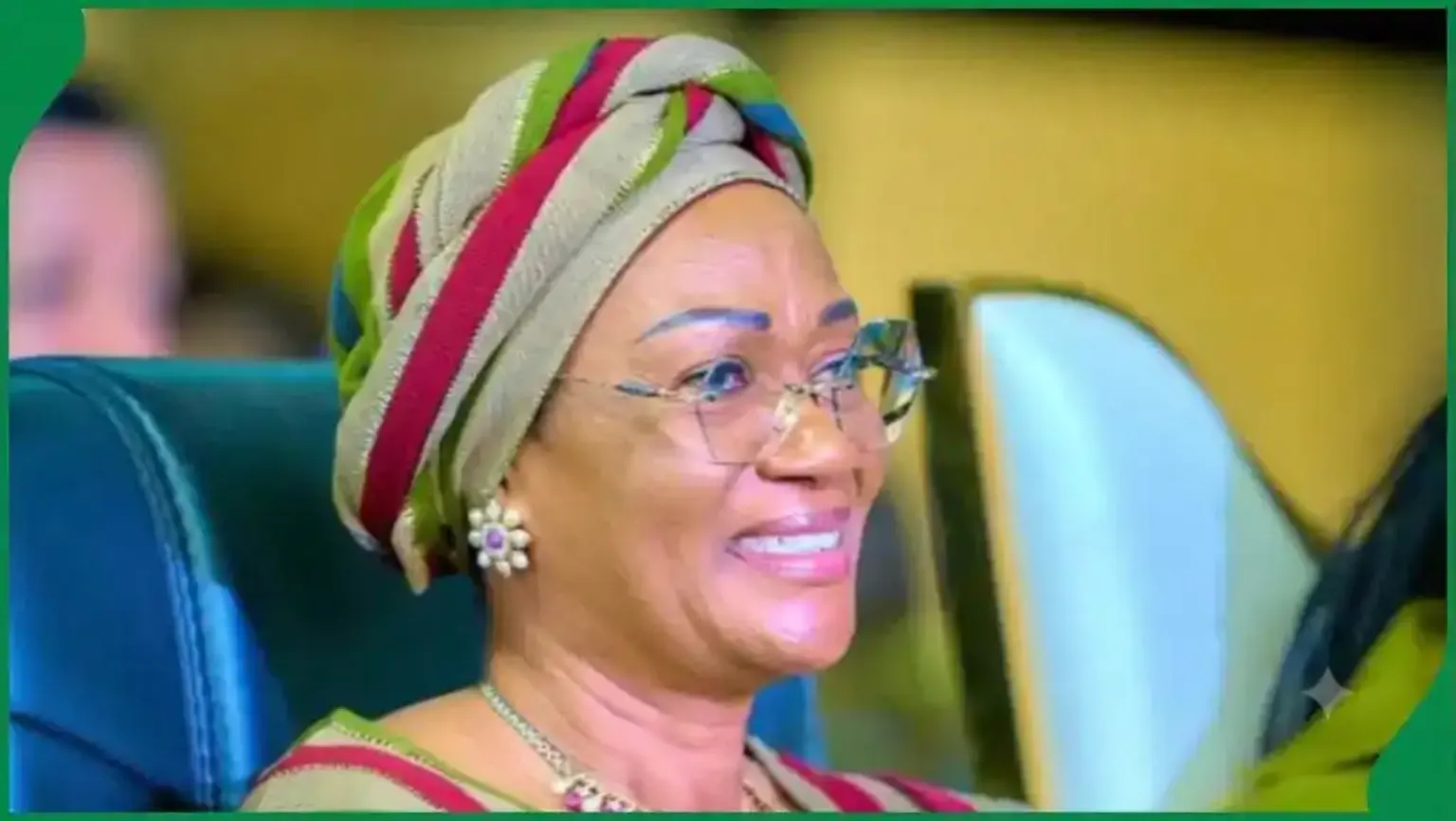
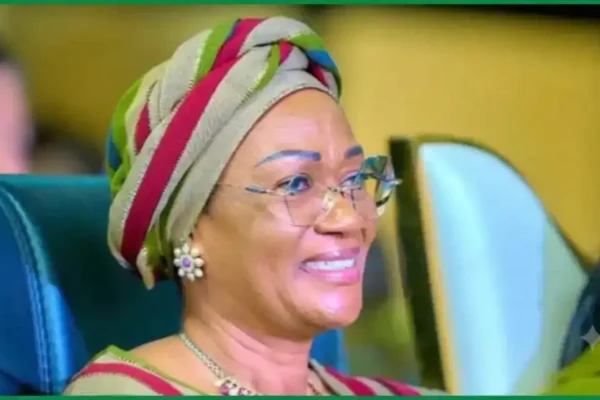
The call was made by the Speaker of the ECOWAS Parliament, Memounatou Ibrahima, during a regional parliamentary workshop on combating child trafficking and child labour held in Abuja on Saturday as part of the Parliament’s 2026 Ordinary Session.
Ibrahima said trafficking and hazardous labour violate children’s fundamental rights and undermine their education, health and development. She expressed concern that weak implementation, inadequate funding, poor enforcement of sanctions and ineffective coordination among institutions continued to expose children to exploitation despite protective frameworks adopted by member states.
She urged lawmakers to move beyond passing legislation and adopting resolutions by strengthening oversight, scrutinising budgetary allocations and demanding measurable results from agencies responsible for child protection. She also called for practical recommendations, clear responsibilities and follow-up mechanisms to establish how many children had been rescued, protected and successfully reintegrated into their communities.
ECOWAS Commissioner for Human Development and Social Affairs, Professor Nassirou Bako, told the workshop that trafficking victims in the region increased by 31 per cent between 2019 and 2022. He said children accounted for 47.9 per cent of the 12,959 unidentified persons captured in statistics presented at the meeting.
Bako also cited country-level figures for 2025, saying Benin recorded 4,015 identified trafficking victims, while Nigeria recorded 1,684 cases, 46.7 per cent of which involved children. He cautioned that data submitted by member states remained incomplete because some countries had yet to provide their statistics.
The commissioner identified insecurity, terrorism, displacement and political instability as factors that increase children’s vulnerability to trafficking, forced labour and other forms of exploitation. He said conflict and displacement disrupt education and weaken family protection systems, leaving children separated from relatives and more exposed to abuse.
He called for stronger social protection programmes, improved national social registries and the establishment of victim-support funds at national and regional levels. He also urged governments to invest more in rehabilitation, family reunification, vocational training and the reintegration of survivors.
Bako said convictions for trafficking-related offences across 12 ECOWAS countries rose from 388 in 2024 to 515 in 2025, describing the increase as progress while stressing that the response remained inadequate compared with the scale of the problem.
Representing the Secretary-General of the Inter-Parliamentary Union, Senior Programme Officer Akiyo Afouda said nearly 138 million children worldwide were still engaged in child labour, including 46.6 million in sub-Saharan Africa, citing figures published in 2025 by the International Labour Organisation and UNICEF.
Afouda said the cross-border nature of trafficking made cooperation among West African countries essential. He urged national parliaments to coordinate policies, strengthen border monitoring, support labour inspection services and conduct joint visits to communities considered vulnerable to trafficking and exploitation.
He also called for a regional parliamentary strategy supported by sustained political commitment, effective monitoring and evaluation, stronger oversight and cooperation with civil society organisations, local communities and relevant government agencies.
Participants at the workshop further advocated joint parliamentary missions to affected communities and closer collaboration among the ECOWAS Commission, the ILO, national institutions and lawmakers. They stressed that rescued children must receive sustained care and support to rebuild their lives.
The discussions highlight the gap between regional commitments and the practical protection available to children. For the proposed measures to have lasting impact, member states will need to back enforcement with adequate resources, reliable data, cross-border coordination and services that help survivors recover and return to education.
Sources: Punch; Voice of Nigeria; Vanguard; NaijaBlitzNews.

All rights reserved. This article and other digital content published on Headline Hubs may not be reproduced, republished, broadcast, rewritten, or redistributed, in whole or in part, without prior written permission from Headline Hubs.
Contact: support@headlinehubs.com.ng
Discover more from Headline Hub
Subscribe to get the latest posts sent to your email.