







The debate over whether Nigeria should restore petrol subsidy has intensified as households and businesses continue to grapple with high fuel prices, transport costs and pressure on purchasing power. The Federal Government has warned, however, that bringing back a broad subsidy could place fresh strain on public finances, weaken investor confidence and put renewed pressure on the naira.
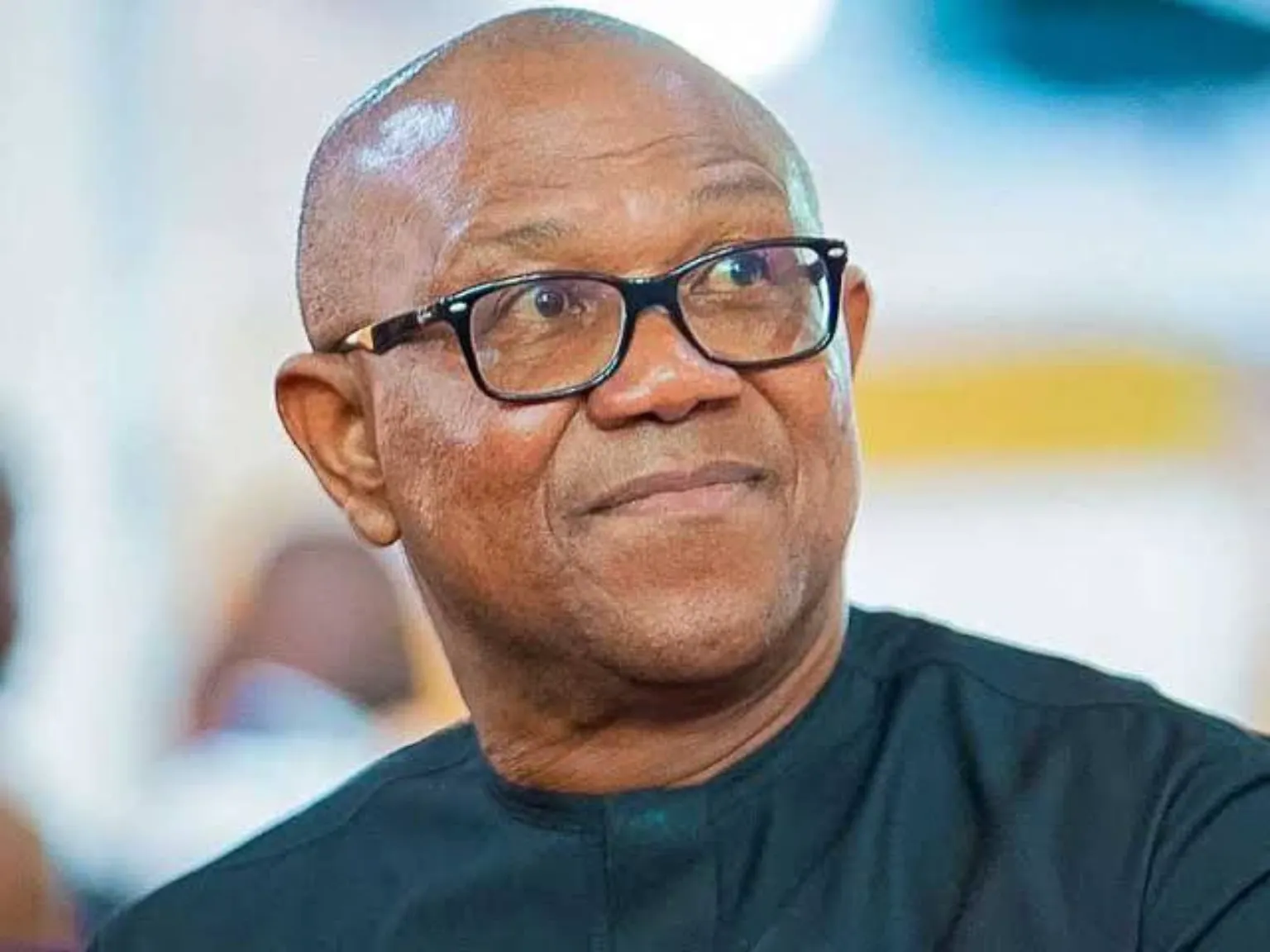
Finance Minister and Coordinating Minister of the Economy, Taiwo Oyedele, has cautioned that even a signal that the government was considering a return to petrol subsidy could unsettle financial markets. Speaking during the IMF and World Bank Annual Meetings in Bangkok in October, Oyedele said investors could interpret a reversal as a retreat from the economic reforms introduced since 2023.
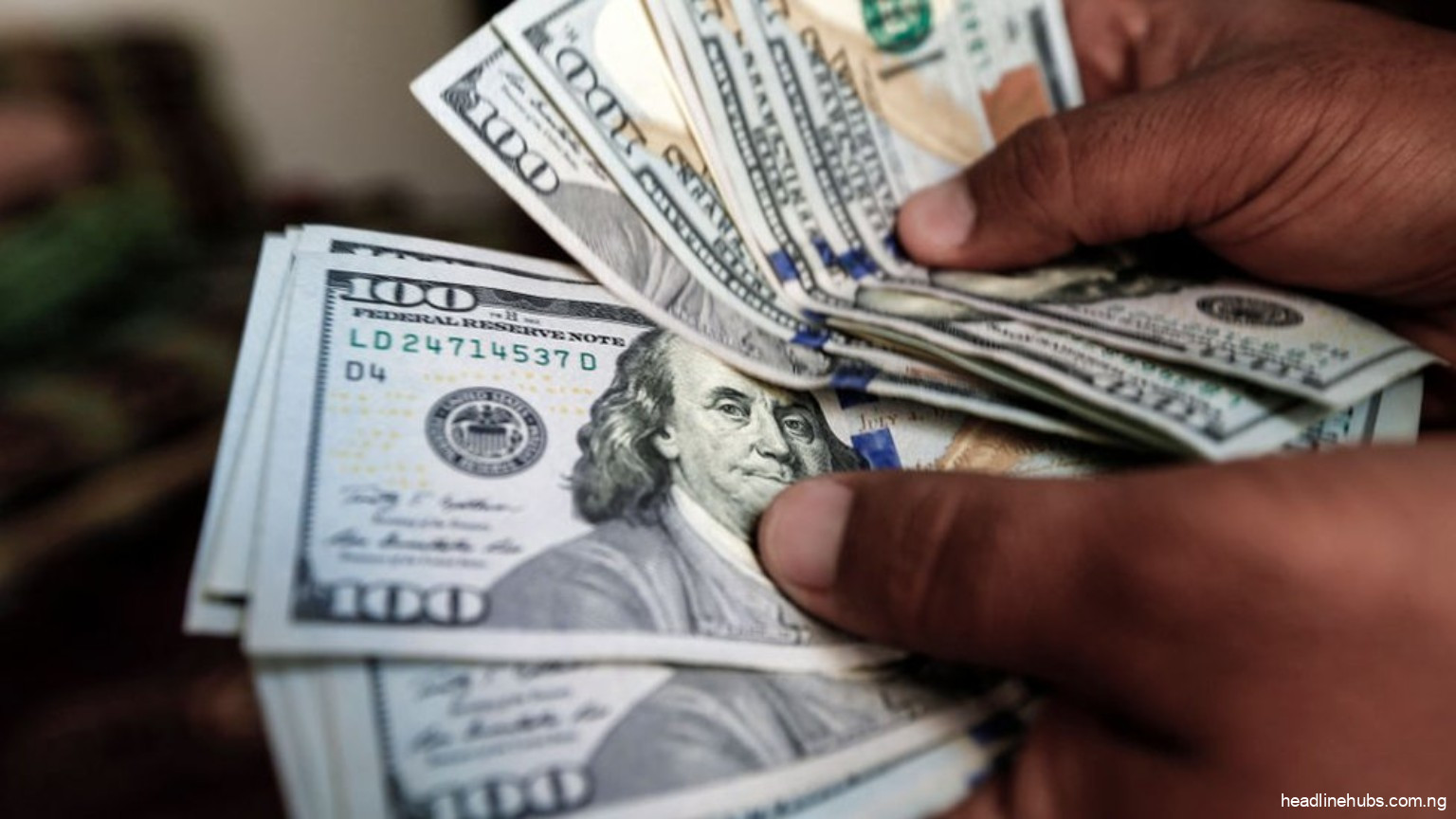
According to reports of his remarks, the minister warned that capital flight and increased demand for foreign currency could intensify pressure on the naira. He cited the possibility of the exchange rate weakening to between ₦3,000 and ₦4,000 per dollar in an extreme scenario. The figures were presented as a warning about potential market reaction, not as a confirmed forecast.
Why a return to subsidy could create fresh economic pressure
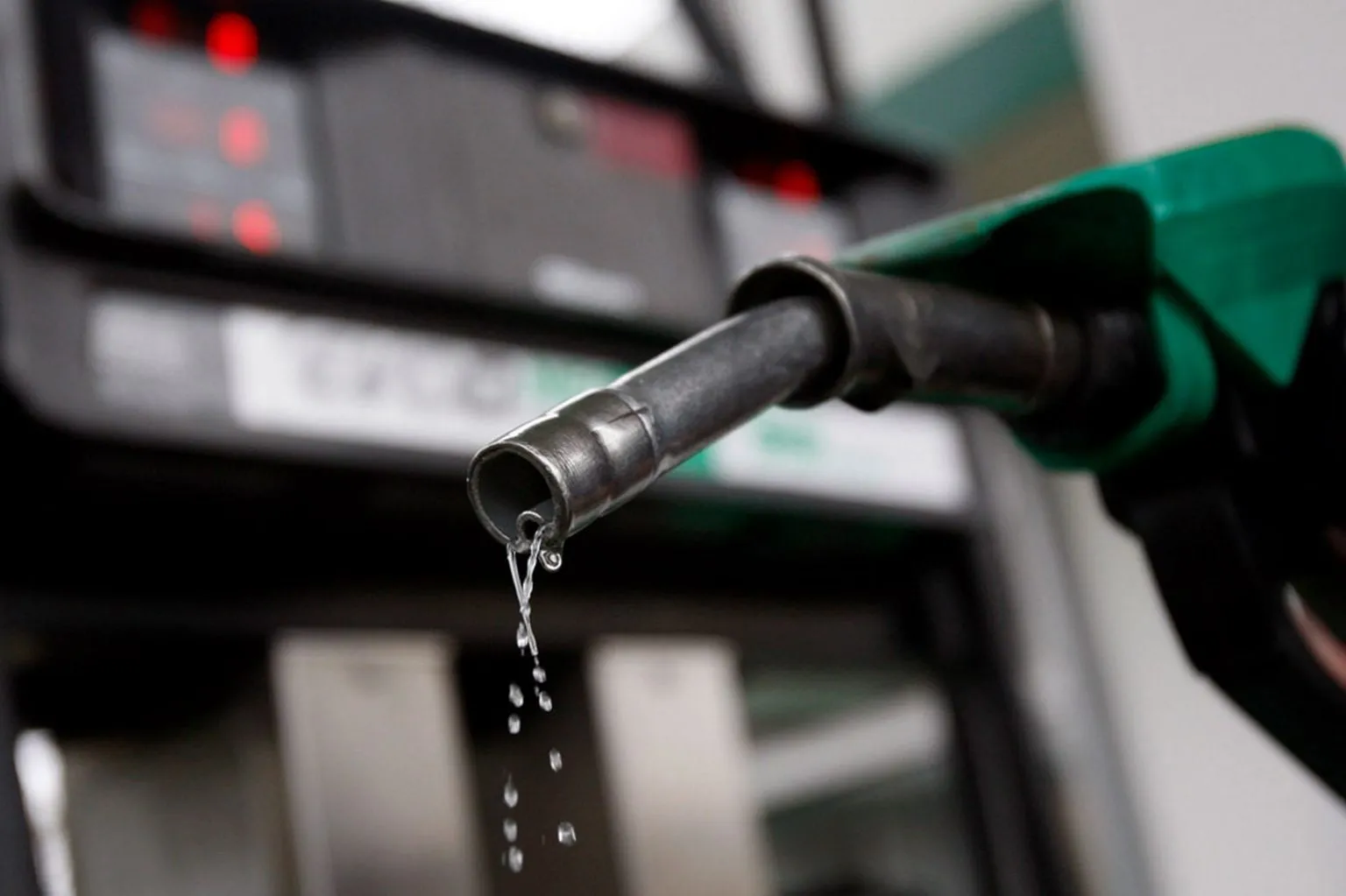
Petrol subsidy was removed in May 2023, when President Bola Tinubu announced the end of the policy during his inauguration. The change led to higher pump prices and contributed to rising transport and operating costs across the country. For many Nigerians, the immediate effect has been difficult to absorb, particularly as higher logistics costs feed into the prices of food and other essential goods.
The pressure has strengthened calls for government intervention. Supporters of a return argue that cheaper petrol could provide immediate relief to commuters, households and businesses. The issue has also become part of the political debate ahead of the 2027 general election, with proposals for targeted or broader forms of subsidy being discussed.
However, the central question remains how any subsidy would be funded. When government pays the difference between the market cost of petrol and a lower regulated pump price, the expense does not disappear. It becomes a public financial obligation that must be met through revenue, borrowing or cuts to other spending.
In October, Oyedele said restoring petrol subsidy could cost Nigeria more than ₦20 trillion annually, depending on the price gap and consumption. The Centre for the Promotion of Private Enterprise has separately warned that a universal subsidy could expose the government to a bill approaching ₦20 trillion a year under its stated assumptions. The organisation argued that such spending could compete with funding for roads, schools, hospitals, security, agriculture and social protection.
Those estimates are not fixed bills. The eventual cost would depend on international oil prices, exchange rates, daily petrol consumption, domestic refining and the size of the subsidy per litre. But they illustrate the scale of the fiscal commitment that a broad price-support programme could create.
A return to subsidy could affect the foreign-exchange market through more than one channel. If the government has to spend heavily to keep petrol prices below market levels, investors may become concerned about the size of the budget deficit and the government’s ability to finance its obligations. If confidence weakens, some investors could delay projects or move funds into safer assets.
At the same time, the government may need to find additional foreign currency to support fuel supply, depending on the structure of the policy and the share of petrol sourced from imports. Greater demand for foreign exchange, combined with capital outflows, could add pressure to the naira.
Oyedele’s warning is that a policy intended to make petrol more affordable could therefore create wider economic pressures if it is not properly funded. A weaker naira can make imported goods and production inputs more expensive, potentially adding to inflation and reducing the relief households receive from cheaper fuel.
Restoring petrol subsidy is not automatically guaranteed to cause an economic collapse. Its impact would depend on its design, funding, duration and the state of the economy. However, the warnings from government officials and business groups underline the risks of introducing a large, poorly funded subsidy at a time when Nigeria is still managing debt, exchange-rate and cost-of-living pressures.
The cost-of-living challenge and possible alternatives
Opposition to restoring subsidy does not remove the hardship associated with the current fuel-pricing system. Higher petrol prices have increased the cost of commuting, transporting food and running generators. Small businesses that depend on petrol or diesel face higher operating expenses, while workers and households have had to adjust to reduced purchasing power.
Research published by the Open Political Economy Analysis Platform in October noted that the fiscal gains from subsidy removal have been felt less quickly by households than the costs. It argued that sustaining reform requires making the benefits visible to citizens, providing credible relief and addressing the political and institutional interests that have historically shaped subsidy policy.
This is an important part of the debate: economic stability cannot be measured only by government savings or investor confidence. It must also be reflected in jobs, real incomes, affordable transport, reliable electricity and access to essential services.
Rather than restoring a universal petrol subsidy, policy groups have called for more targeted measures to reduce the burden on vulnerable households and productive businesses. Recommendations include improving mass transportation, expanding rail and logistics infrastructure, supporting food production, strengthening social protection and improving electricity supply so that fewer businesses depend on fuel-powered generators.
Other proposals include transparent use of the revenue saved from subsidy removal, targeted support for low-income households and a predictable policy environment that encourages investment in domestic refining and the wider energy sector. Any targeted relief programme would still need clear eligibility rules, reliable delivery systems and public reporting to ensure that assistance reaches the people it is intended for. Without transparency, a new intervention could recreate some of the weaknesses associated with the previous subsidy regime.
The government faces the challenge of proving that the savings from reform are translating into measurable improvements in citizens’ lives. Without visible improvements in transport, electricity, healthcare, education and household incomes, public pressure for a return to cheaper petrol is likely to remain strong.
For Nigeria, the real test is not simply whether petrol can be made cheaper at the pump. It is whether the country can reduce the cost of living without creating a fiscal burden that undermines public services, investor confidence and long-term economic stability.
Sources: Punch – Oyedele’s warning on subsidy and the naira; THISDAY – Returning to fuel subsidy could trigger economic collapse; Premium Times – CPPE proposes targeted relief; Open PEA – Fuel subsidy reform in Nigeria.

All rights reserved. This article and other digital content published on Headline Hubs may not be reproduced, republished, broadcast, rewritten, or redistributed, in whole or in part, without prior written permission from Headline Hubs.
Contact: support@headlinehubs.com.ng
Discover more from Headline Hub
Subscribe to get the latest posts sent to your email.