








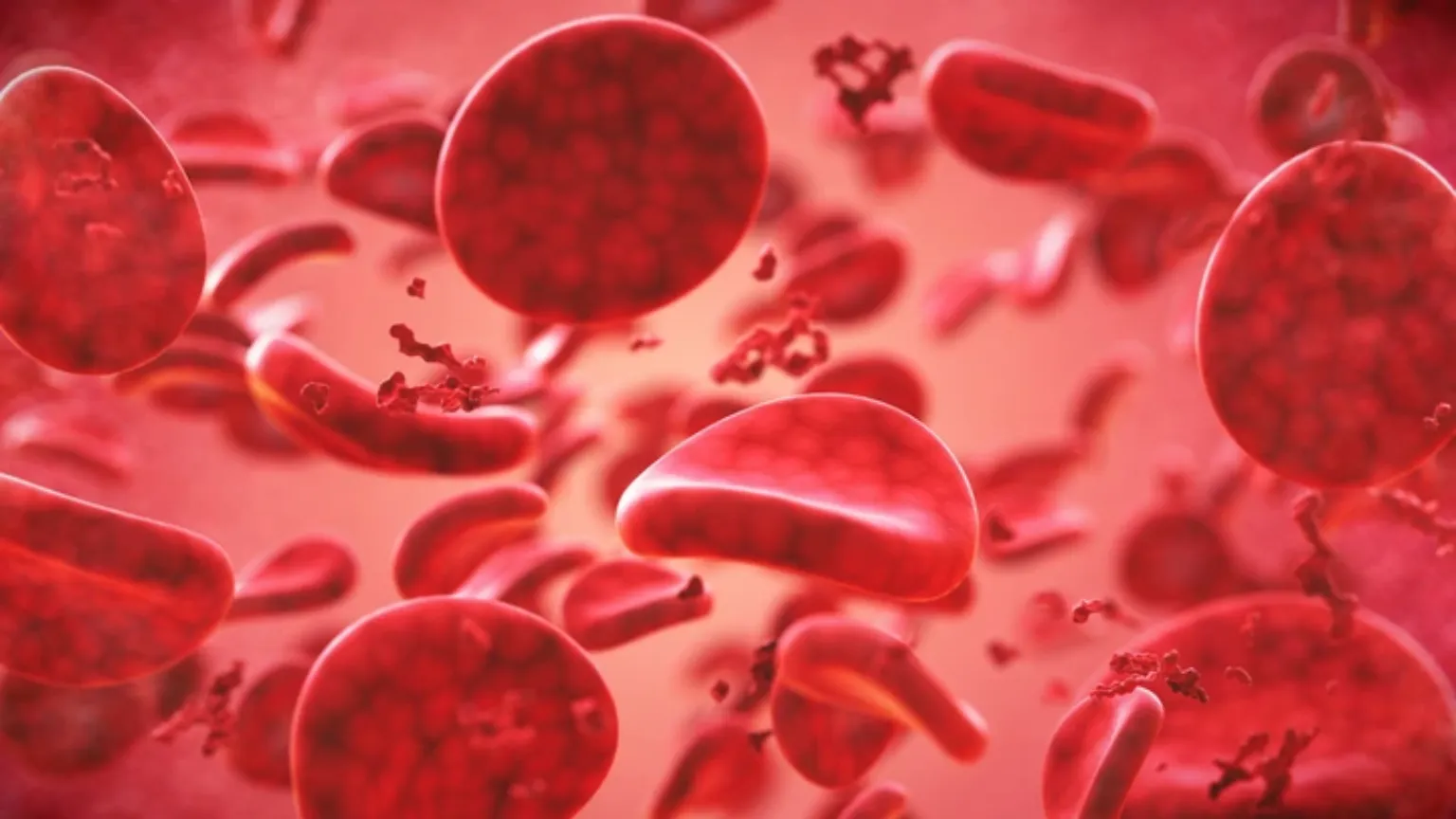

People with blood group O have a distinct pattern of blood-cell antigens and certain differences in proteins involved in blood clotting. These biological features can influence transfusion compatibility and are associated with differences in the risk of some clotting and bleeding conditions. However, having blood group O does not mean that a person’s entire body works differently from everyone else’s.
The ABO blood group system classifies blood into four main types: A, B, AB and O. The classification is based on whether red blood cells carry A antigens, B antigens, both or neither. In people with blood group O, red blood cells do not carry A or B antigens. Their plasma normally contains anti-A and anti-B antibodies. Blood group is inherited from a person’s parents. The separate Rh system determines whether someone is positive or negative, which is why a person may be O positive (O+) or O negative (O−).
One important difference associated with blood group O involves von Willebrand factor (VWF) and factor VIII, two proteins that help blood form clots and stop bleeding. Research reviewed by the US National Heart, Lung, and Blood Institute shows that people with group O have, on average, VWF levels about 25 per cent lower than people with non-O blood groups. Factor VIII levels are also influenced by ABO type.
These lower average levels help explain why studies have generally found a lower risk of venous blood clots, including deep-vein thrombosis and pulmonary embolism, among people with blood group O compared with people in some non-O groups. A review published in 2025 also described the association between non-O blood groups and a higher likelihood of thromboembolic events.
There is another side to this difference. Because VWF and factor VIII help blood clot, lower levels can be associated with a greater tendency to bleed, particularly in people who already have a bleeding disorder or unusually low VWF levels. This does not mean everyone with blood group O has a bleeding problem. A person’s actual risk depends on their medical history, laboratory results and other health factors.
Blood group O also matters greatly during blood transfusions. Because O red blood cells do not have A or B antigens, group O red cells can be compatible with recipients across the ABO groups in certain emergency settings. O negative red cells are commonly used when a patient’s blood group is not yet known. But this does not mean every person with group O can donate every type of blood product to everyone. Rh status and other blood-group antigens still matter, and hospitals perform compatibility checks before transfusion.
It is also important to separate established findings from popular claims about blood type. Blood group O does not determine a person’s personality, intelligence, diet, fitness level or general health. Nor does it make someone immune to heart disease, cancer, infections or other illnesses. Scientists have reported associations between ABO blood groups and several health outcomes, but an association does not prove that blood type alone causes a disease.
For everyday health decisions, people with blood group O should follow the same evidence-based advice as everyone else: maintain a balanced diet, stay physically active, avoid smoking, attend recommended health checks and seek medical attention for unusual or persistent bleeding or symptoms that could indicate a blood clot. No special diet or supplement is required simply because someone has blood group O.
Knowing your blood group is useful, especially in pregnancy, blood donation and emergency medical care. However, it should not be used as a substitute for medical assessment or laboratory testing. If you have a personal or family history of excessive bleeding or blood clots, speak with a qualified healthcare professional rather than relying on your blood type alone.
The key point is that blood group O has measurable biological differences, particularly in the proteins involved in clotting. Those differences can affect certain health risks, but they do not make the body “totally different” or determine an individual’s overall health.
Sources: NHS – Blood groups; US National Heart, Lung, and Blood Institute – Von Willebrand disease report; 2025 review: The ABO Blood System and Associated Implications for Hemostasis and Thrombosis; Review of ABO blood group, von Willebrand factor and primary hemostasis.

All rights reserved. This article and other digital content published on Headline Hubs may not be reproduced, republished, broadcast, rewritten, or redistributed, in whole or in part, without prior written permission from Headline Hubs.
Contact: support@headlinehubs.com.ng
Discover more from Headline Hub
Subscribe to get the latest posts sent to your email.
