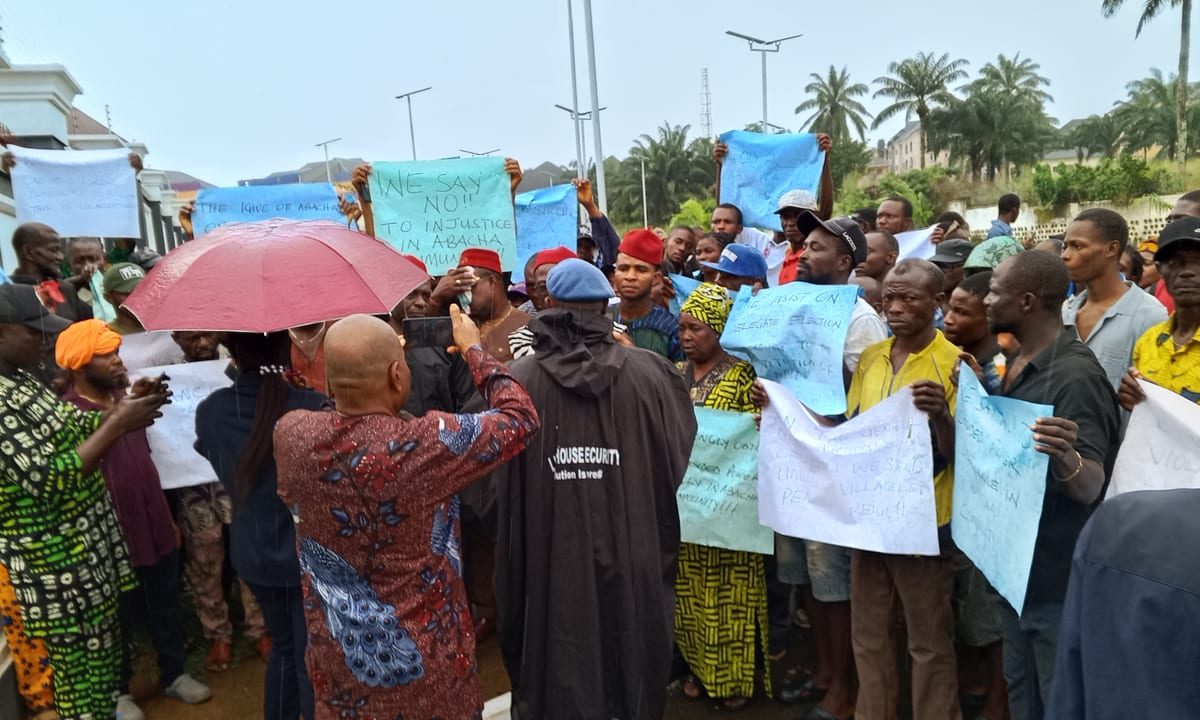







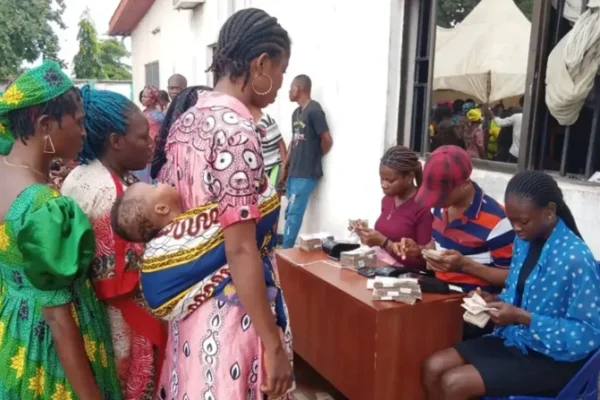
The Socio-Economic Rights and Accountability Project (SERAP), a prominent advocacy group, has taken a bold step by urging the Federal Government to fully disclose critical details concerning its recently announced ₦50,000 relief programme. This initiative aims to assist vulnerable Nigerians amid the rising cost of living, but SERAP insists on clarity regarding the financial allocations, selection processes for beneficiaries, and most crucially, whether these funds are actually reaching the nation’s most needy citizens. In a formal Freedom of Information request dated November 7, 2026, addressed to Dr. Bernard Doro, the Minister of Humanitarian Affairs and Poverty Reduction, SERAP is pressing the government for transparency about the implementation of the National Emergency Relief and Stabilisation Intervention (NERSI).
The request was signed by Kolawole Oluwadare, SERAP’s deputy director, and emphasizes the need for fiscal accountability in public service programming. Key to SERAP’s demands is transparency surrounding the funding allocated to the initiative—questions are being raised about how much money has been budgeted, the amount released thus far, and how much has already been spent. They also want to know exactly how beneficiaries are selected from the National Social Register and what safeguards are in place to prevent political manipulation of the process. Furthermore, SERAP is calling for independent monitoring by anti-corruption agencies to ensure that the financial assistance genuinely benefits those it is intended to support.
The backdrop to SERAP’s request comes swiftly on the heels of the government’s October 30 announcement that ₦50,000 financial support would be disbursed to eligible Nigerians in an effort to mitigate economic difficulties stemming from rising living costs. While the initiative sounds promising, SERAP raises an important point: Just how many people will benefit? What is the total budget for this programme? How often will payments be made, and will they be verified through independent channels? SERAP argues vociferously that citizens possess a fundamental right to understand how public resources are being allocated and utilized, especially when these funds are intended to alleviate hardship. They are adamant in their pursuit of answers to critical questions:
What is the overall budget set aside for NERSI? How many beneficiaries have been officially selected and verified? In which regions are these payments being issued, and how are beneficiaries distributed throughout various states and local government areas across Nigeria? The organization insists that providing anonymized data showcasing the number of individuals benefiting from the programme—broken down by state and local government—would empower communities to assess whether those in dire economic straits are truly receiving the aid they so desperately need. Beyond this, SERAP has demanded clarity regarding the criteria and methodology used to select beneficiaries, particularly since the ministry contends that the selection process is automated and based on poverty levels and vulnerability. However, the ministry’s general statement has not elucidated the specific criteria used, leaving many unanswered questions lingering in the public domain. Another area of concern highlighted by SERAP revolves around the payments. When initially announced, the minister touted the NERSI as providing ₦50,000 monthly to eligible beneficiaries.
However, follow-up communications seem to characterize this financial support as a one-time grant—crucially, without detailing how many times the payment would recur or the exact duration of this assistance. SERAP calls for clarity on this matter, as it directly influences the financial implications: For instance, disbursing ₦50,000 to one million beneficiaries could cost ₦50 billion for a single payment cycle, but if the payments were recurrent over a year, the total could skyrocket to a staggering ₦600 billion, not including administrative expenses. As the government has yet to provide clear, verified financial data to illuminate its funding commitments, SERAP’s demand for transparency is more urgent than ever. While Dr. Doro insists that the ministry is dedicated to transparency and accountability in its operations, SERAP underscores that mere verbal commitments are insufficient; concrete, independently verifiable records are essential to truly gauge the programme’s success.
Looking ahead, SERAP has set a seven-day timeline for the Federal Government to respond to its Freedom of Information request. They have also warned of potential legal action should the government fail to provide the necessary transparency. As of November 12, the clock is ticking—official statements acknowledge the announced objectives and selection methods, but they do not offer the comprehensive, independent financial account required by SERAP.
Furthermore, it remains unclear whether the anti-corruption monitors SERAP advocated for have officially commenced their oversight of NERSI. In a nation where socio-economic challenges are becoming an everyday reality for many, the demand for transparency and accountability is not just a bureaucratic formality—it is a matter of ensuring that essential support reaches the country’s most vulnerable populations. How the Federal Government responds will determine not only the credibility of this programme but also the trust of the Nigerian people in their leaders. Stay tuned as this story unfolds!

All rights reserved. This article and other digital content published on Headline Hubs may not be reproduced, republished, broadcast, rewritten, or redistributed, in whole or in part, without prior written permission from Headline Hubs.
Contact: support@headlinehubs.com.ng
Discover more from Headline Hub
Subscribe to get the latest posts sent to your email.