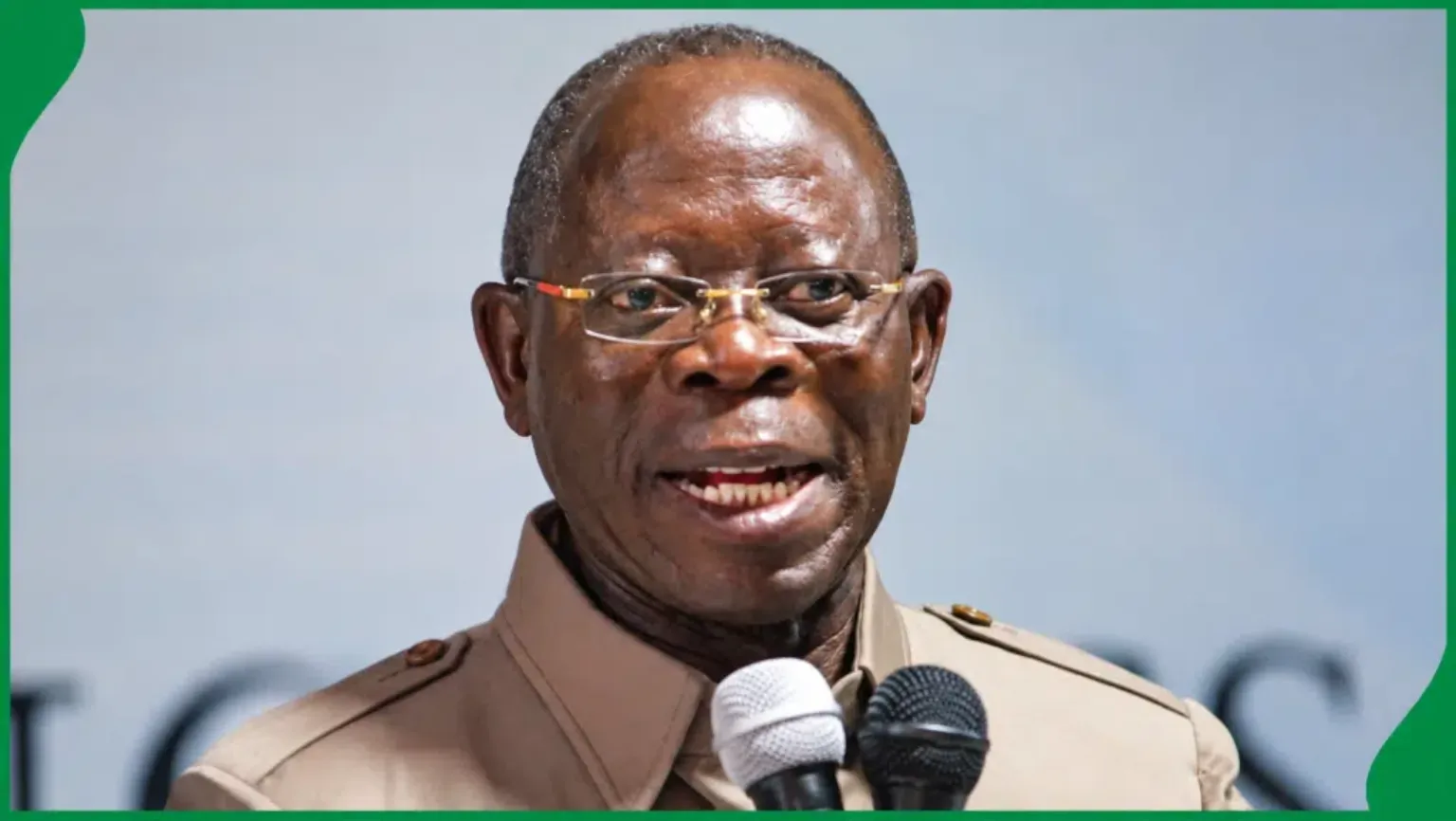
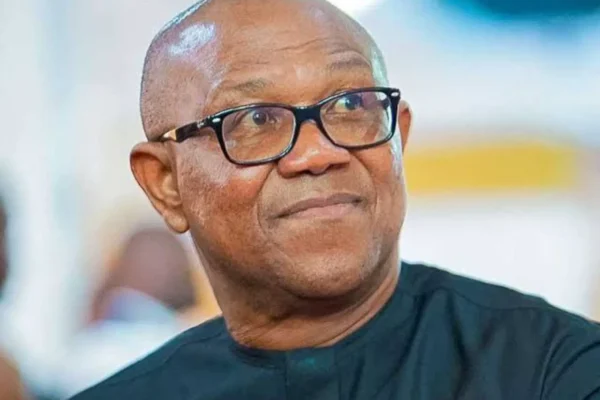





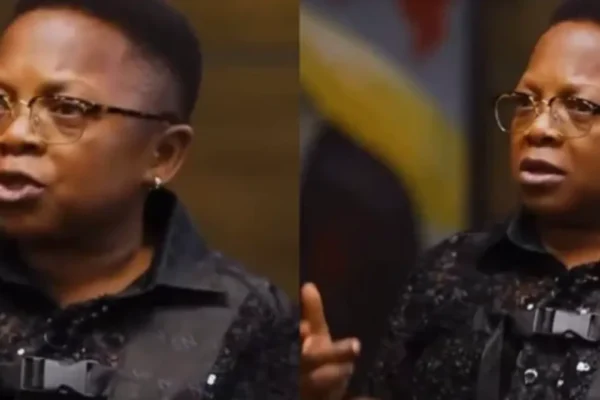
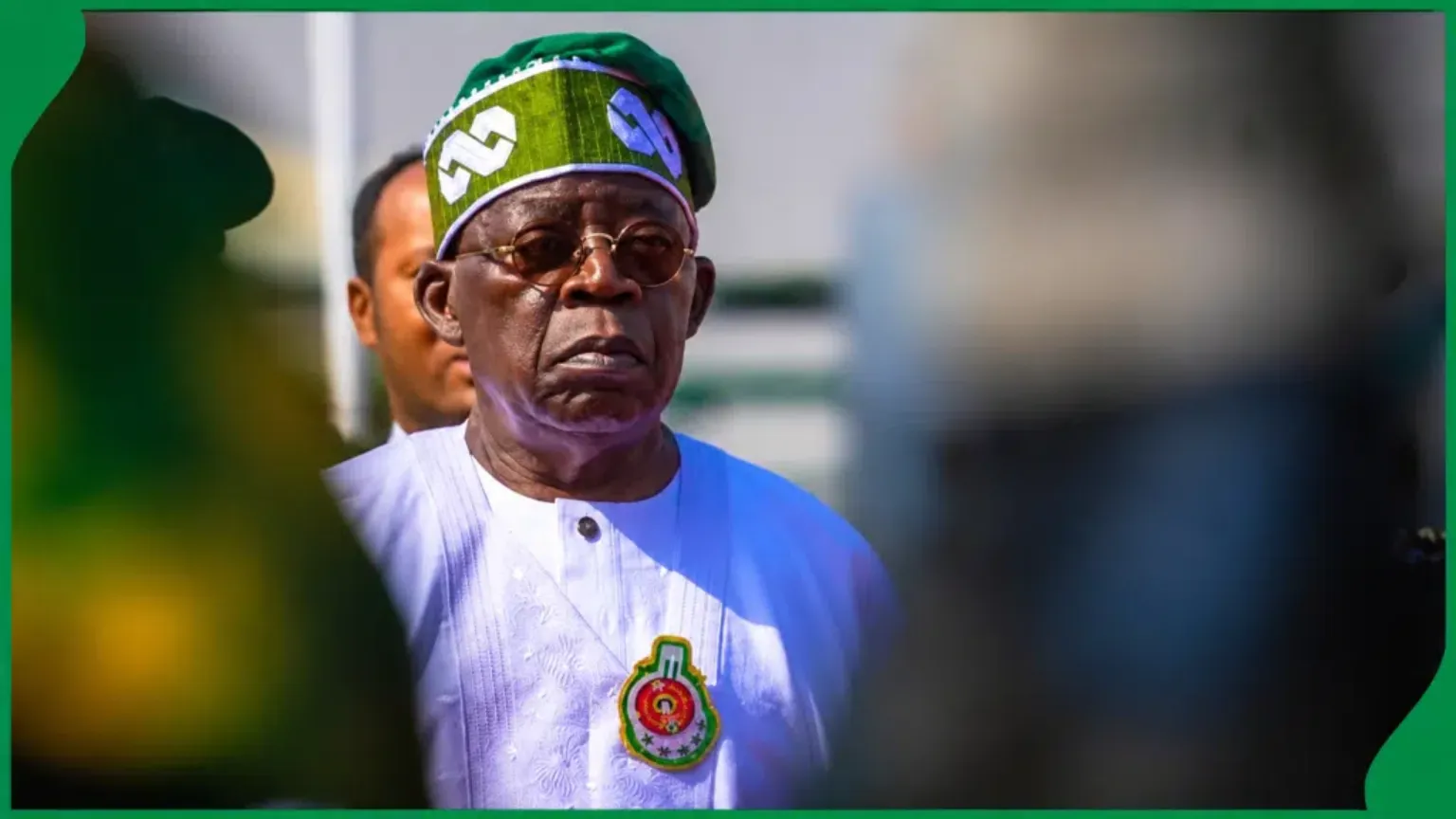

Dr Pedro Obaseki, a member of the African Democratic Congress (ADC) Presidential Campaign Council, has said President Bola Ahmed Tinubu may face a difficult contest in parts of the South-West during the 2027 presidential election, specifically mentioning Lagos and Oyo States as places where the ruling All Progressives Congress (APC) could struggle.
Obaseki made the comment during an appearance on the Mic On Podcast hosted by journalist Seun Okinbaloye. Speaking about the political situation ahead of the next general election, he said Tinubu could have to work hard to secure victory in four of the six states in the South-West region.
“Tinubu may fight totally to win four (4) of the states in the South West. He will struggle in Lagos, Oyo,” Obaseki said during the discussion.
The statement was part of a wider conversation about the strength of the APC, the influence of governors and political office holders, and the chances of opposition parties in the 2027 election. Obaseki argued that the number of prominent politicians supporting a presidential candidate would not automatically translate into votes at the polling units.
His comments focused attention on the South-West, which comprises Lagos, Ogun, Oyo, Osun, Ondo and Ekiti States. The region is politically important to Tinubu, who is from Lagos State and has a long political background in the South-West.
Obaseki did not identify the four South-West states he believed Tinubu could win in the quoted portion of the interview. He specifically named Lagos and Oyo as states where he expected the president to face a challenge. His remarks represent his political assessment and should not be treated as confirmed election results or an independent forecast.
The ADC campaign council member also questioned the assumption that endorsements by governors and influential political figures would guarantee support from voters. He maintained that the outcome of an election is determined by ballots cast by citizens rather than the number of political leaders publicly backing a candidate.
Obaseki has repeatedly linked the 2027 contest to the economic conditions facing Nigerians. In previous public comments, he pointed to the cost of living, petrol prices and declining purchasing power as issues that could influence how voters assess the Tinubu administration.
He has also argued that opposition parties must convince voters with clear policy alternatives instead of relying only on criticism of the ruling party. The ADC has positioned itself as one of the platforms seeking to challenge the APC in the next presidential election.
President Tinubu and the APC have not, in the podcast excerpt carrying Obaseki’s comments, directly responded to his assessment of Lagos and Oyo. The president’s political team is expected to continue its efforts to strengthen support across the country as preparations for the 2027 election progress.
The Independent National Electoral Commission (INEC) will conduct the 2027 general election, and voters across the country will decide the outcome when they cast their ballots. Until then, comments by political figures about the likely performance of parties and candidates remain campaign arguments and personal assessments, not established results.

All rights reserved. This article and other digital content published on Headline Hubs may not be reproduced, republished, broadcast, rewritten, or redistributed, in whole or in part, without prior written permission from Headline Hubs.
Contact: support@headlinehubs.com.ng
Discover more from Headline Hub
Subscribe to get the latest posts sent to your email.