


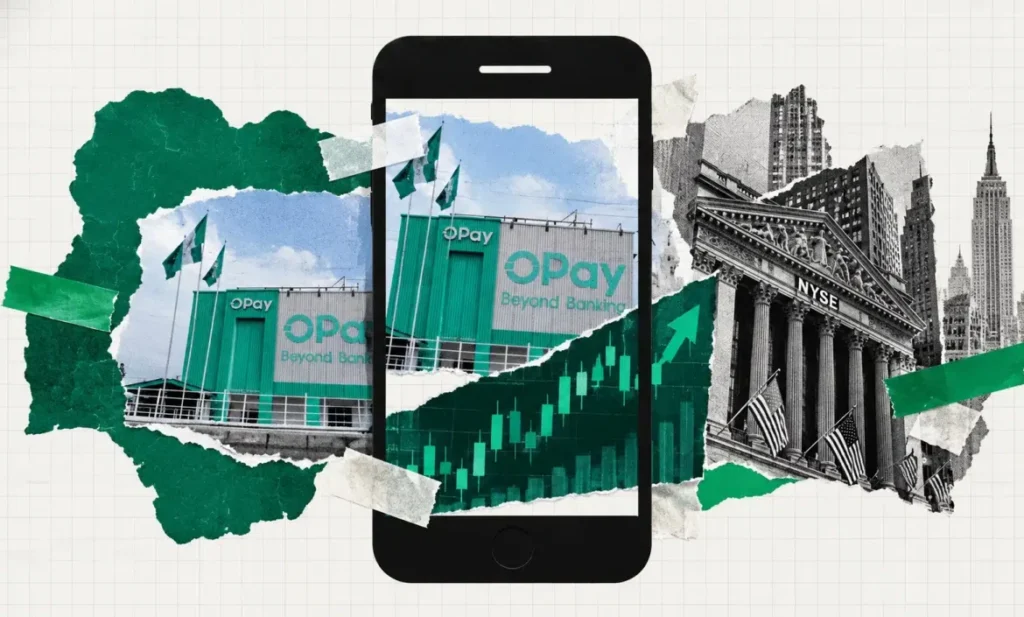
OPay Digital Services Limited, a prominent player in Nigeria’s fintech landscape, is currently facing intense scrutiny after reports surfaced about significant regulatory fines totaling ₦994 million from 2023 to 2025. These penalties arose from various breaches involving banking, anti-money laundering, data protection, and corporate regulations.
According to the company’s audited financial statements, four regulatory bodies—namely the Central Bank of Nigeria (CBN), Nigeria Data Protection Commission (NDPC), Advertising Regulatory Council of Nigeria (ARCON), and Corporate Affairs Commission (CAC)—handed down these sanctions. The violations raise serious concerns about the effectiveness of OPay’s compliance measures and internal controls.
Among the regulations that OPay has reportedly flouted are key provisions of the Banks and Other Financial Institutions Act (BOFIA) 2020, the CBN’s anti-money laundering and terrorism financing regulations from 2022, and other important consumer protection directives.As Politics Nigeria reveals, OPay’s regulatory troubles date back to 2023 when the CBN slapped the company with a ₦26 million penalty for failing to comply with anti-money laundering and counter-terrorism financing regulations.
In 2024, the situation worsened as another fine of ₦113.7 million was levied for similar offenses. Additional penalties followed, including ₦197 million from the CBN for breaches of BOFIA 2020, ₦10 million for customer due diligence issues, and ₦2 million for consumer protection violations.But the scrutiny doesn’t end there—OPay also faced a hefty ₦125 million fine from the Nigeria Data Protection Commission for failing to adhere to the Nigeria Data Protection Act 2023.
Moreover, the Advertising Regulatory Council of Nigeria imposed a ₦7 million penalty for advertising-related infractions, and the Corporate Affairs Commission added another ₦1 million for breaches of the Companies and Allied Matters Act.The most significant hit came in 2025 when the CBN issued a staggering ₦464 million fine tied to non-compliance with the Framework for Mobile Money Services in Nigeria 2021. This fine alone accounts for nearly half of the total penalties reported against OPay.
While the total fines have been stated as ₦994 million, the breakdown of individual penalties only sums up to ₦945.7 million, leaving a puzzling gap of ₦48.3 million that hasn’t been explained in the official disclosures.
These persistent violations have triggered a closer examination of OPay’s compliance framework, especially regarding customer identification, transaction monitoring, and financial crime prevention—all critical components of their operation.Importantly, although the fines indicate serious compliance issues, they don’t automatically imply that OPay engaged in money laundering or terrorist financing. The timing of these sanctions couldn’t be more critical as OPay recently backtracked on a plan to raise $304 million through an initial public offering on the New York Stock Exchange. The fintech firm had aimed to sell 16 million American Depositary Shares at $19 each, potentially valuing the company at around $4 billion.
However, on October 30, 2026, OPay announced it had mutually decided with underwriters to withdraw the offering following a regulatory inquiry in an undisclosed foreign jurisdiction, just a day after signing the underwriting agreement. While no link has been established between this inquiry and the penalties incurred in Nigeria, the withdrawal thwarted OPay’s plans to debut on the NYSE as initially intended.Stay tuned as this story unfolds—it’s a developing situation that could reshape OPay’s future!